When you're shopping ammunitions for sale, or trying to figure out which ammo is best for your needs, the first two things you’ll notice at the range are recoil (that kick-back you feel when the gun fires) and noise (the sharp sound that follows the shot).
These two factors aren’t just technical details - they directly affect your comfort, confidence, and overall shooting experience. A firearm that kicks too hard or makes too much noise can cause flinching, fatigue, or even discourage you from practicing. On the other hand, the right balance of recoil and sound can make shooting enjoyable, accurate, and much safer.
That’s where the rimfire vs centerfire debate comes in. Both ammo types have their strengths, but they feel very different when fired. Rimfire is known for being lighter, softer, and quieter, while centerfire usually brings more punch, more sound, and more power.
What Is Rimfire & What Is Centerfire
Before comparing recoil and noise, let’s be clear:
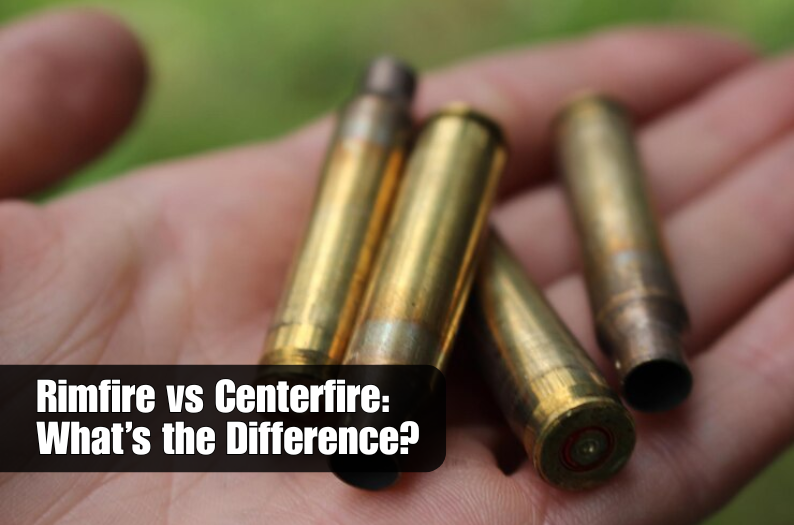
- Rimfire ammunition has its primer in the rim (edge) of the cartridge base. The rim is struck by the gun’s firing pin to ignite the powder. Rimfire cases are thinner, and they can’t handle high pressures. Common calibers: .22 LR, .22 Magnum, .17 HMR.
- Centerfire ammunition has a separate primer inserted in the center of the base. The cartridge case is thicker and stronger, which allows higher pressures, heavier bullets, more power. Centerfire covers many handgun and rifle calibers: 9mm Ammo, .223/5.56, .308, .45 ACP, etc.
These design differences lead to very different experiences when firing - especially in recoil and noise.
How Recoil Feels: Rimfire vs Centerfire
Recoil is what you feel when the gun pushes back from firing. It depends a lot on bullet weight, powder charge, gun weight, and how the gun is held.
Rimfire Recoil
- Very mild. The kick is gentle. For many shooters, it’s more of a push than a sharp punch.
- Good for beginners or people who dislike strong recoil. Because rimfire ammo uses lower pressure and lighter bullets, there’s much less force.
- You can shoot many rounds with rimfire without soreness or fatigue. It’s forgiving to shoulders, wrists, hands.
Centerfire Recoil
- Noticeably stronger. You feel a sharper kick. How strong depends on the caliber. A 9mm isn’t as punishing as a .308 rifle or a magnum handgun, but it's still significantly more than rimfire.
- If gun is light or short-barreled, recoil (and muzzle blast) will feel more intense. Proper grip, posture, and a heavier or well-balanced firearm help mitigate this.
- After many centerfire shots, your body feels it - hands, arms, shoulders may get tired.
Noise: What You Hear When You Pull the Trigger
Noise isn’t just about how loud; it’s about how sharp it feels, how it echoes, how it affects you and others around.
Rimfire Noise
- Softer, less muzzle blast. Because less powder is used, pressure is lower, so the sound is less intense.
- Indoor shooting is more comfortable with rimfire. Less echo, less scary blast. Still loud enough to warrant hearing protection - but overall more pleasant.
- Quieter guns tend to be less fatiguing mentally: you flinch less, nervousness is reduced.
Centerfire Noise
- Much louder. Larger powder charges, higher pressure, often supersonic bullets => bigger muzzle blast, sharper crack.
- When indoors or near hard surfaces, noise echoes and reflects, increasing stress on ears and nerves.
- You’ll feel not just hearing, but sometimes a vibration or concussion from the blast. Without protection, it can hurt or degrade hearing over time.
Other Key Factors: Reliability, Cost, Misfires
Besides what you feel and hear, there are other differences that affect the overall experience when using rimfire vs centerfire ammo.
- Reliability & Misfires: Rimfire ammo tends to have a higher chance of misfire (failure to ignite) especially in low-cost bulk loads. The method of putting primer compound in the rim can lead to small voids or inconsistent priming. Centerfire primers are more reliably ignited.
- Reloading: Rimfire cartridges can’t really be reloaded because the rim is deformed by firing. Centerfire brass is usually reusable - once the old primer is removed, you can insert a new one, refill powder, and reuse the case many times.
- Cost per round: Rimfire ammo is much cheaper per shot in most cases. That means more practice, more rounds, less cost. Centerfire ammo costs more, especially in premium or specialty loads, but gives you more power, higher velocity, more stopping potential, etc.
Putting it Together: What You’ll Actually Feel on the Range
Here are a few realistic situations and how rimfire vs centerfire feels in them:
| Scenario | Rimfire | Centerfire |
|---|---|---|
| First time shooting | Feels gentle; noise is noticeable but not shocking; you feel in control. | More jarring; you might flinch; noise and recoil take you by surprise. |
| Shooting many rounds | Comfortable; fatigue is low; good for learning and having fun. | After many shots you feel fatigue; recoil and noise wear you out mentally and physically. |
| Indoor range or enclosed space | More manageable; echoes less; hearing protection is helpful but experience is better. | Intense; blast, echo; protection is a must; long sessions are taxing. |
| Hunting or defense |
Useful for small game; quiet enough not to spook too much; lighter gear. | Powerful; necessary for bigger game or serious defensive effectiveness; accept more kick and noise. |
What to Think About When Buying Ammunition
When browsing ammunitions for sale, here are some tips to choose what suits you best:
- Purpose first: Are you buying for fun, training, hunting, defense? The purpose will push you toward rimfire or centerfire.
- Comfort level: If recoil or loud noises bothers you (or those you shoot with), rimfire or softer centerfire loads are better.
- Budget: Rimfire gives more shots per dollar; centerfire is costlier but offers more performance.
- Gun design: Heavier guns, longer barrels help reduce felt recoil and muzzle blast. The way you hold the gun matters.
- Hearing protection: Always invest in it. Doesn’t matter if rimfire or centerfire - hearing damage is real and cumulative.
Final Thoughts: Which One to Choose?
- If you’re starting out, want something more comfortable on your body and ears, and want to shoot a lot without high cost, rimfire ammunition is usually the smart move. When browsing Ammunitions for Sale, you’ll find plenty of affordable rimfire options that are perfect for practice, training, or small-game shooting.
- If you need stopping power, long range, heavier penetration, or are preparing for defense or big game hunting, then centerfire ammunition is likely what you need. Be ready to accept louder noise and stronger recoil as part of that trade-off. Ammunitions for Sale offers a wide variety of centerfire rounds to match your specific needs, from handguns to rifles.
- Many shooters use both: rimfire for fun, practice, and small tasks; centerfire when the mission demands it. Checking Ammunitions for Sale ensures you have the right ammo for every situation, balancing comfort, performance, and cost.
FAQ: Recoil & Noise – Rimfire vs Centerfire
1. What is the difference between rimfire and centerfire ammo?
Rimfire ammo has the primer in the rim of the cartridge, while centerfire ammo has a primer in the center. Rimfire is lighter, quieter, and has less recoil. Centerfire is more powerful, louder, and has stronger recoil.
2. Which one has less recoil, rimfire or centerfire?
Rimfire ammo has much less recoil. It’s easier on the shoulder and wrist, making it ideal for beginners and long practice sessions. Centerfire ammo has more kick due to heavier bullets and higher pressure.
3. Which ammo is quieter, rimfire or centerfire?
Rimfire ammo is quieter because it uses less powder and has lower pressure. Centerfire rounds are louder, especially larger calibers, and often need hearing protection.
4. Can I use rimfire ammo for hunting?
Yes, rimfire is great for small-game hunting like rabbits or squirrels. For larger game, centerfire is recommended because it delivers more power and deeper penetration.
5. Is centerfire ammo better for self-defense?
Yes, centerfire ammo is better for self-defense due to its higher stopping power and reliability. Rimfire is generally too weak for defensive situations.
6. Can I practice shooting with rimfire to save money?
Absolutely. Rimfire ammo is cheaper per round, making it perfect for practice, training, and learning gun handling without spending too much.
7. Why does centerfire ammo have stronger recoil and noise?
Because centerfire cartridges use heavier bullets and more powder, they generate more force when fired. This creates a stronger kick (recoil) and a louder muzzle blast.